Posts Tagged Equipment Rentals
Texas Storm Season Is Here. Are You Actually Ready?
Posted by rentalstop in Equipment, Texas Storms on March 6, 2026

If you have lived in North Texas for more than five minutes, you know how this goes.
The morning starts sunny. By mid-afternoon the sky turns that strange green color. Your phone starts buzzing with weather alerts. And then the wind hits.
Texas severe weather season is not subtle. Between high winds, hail, flash flooding, and the occasional tornado warning, storm prep here is just part of life.
The National Weather Service defines a severe thunderstorm as producing winds over 58 mph or hail one inch in diameter or larger. That sounds technical, but in real life that means patio furniture flying, shingles missing, and tree limbs everywhere. (Source: National Weather Service)
At Rental Stop, we see the same pattern every year. The calls don’t come before the storm. They come right after.
Let’s talk about how to stay ahead of it.
Start With Your Trees.
Before storm season ramps up, walk your property. Not casually. Actually look up.
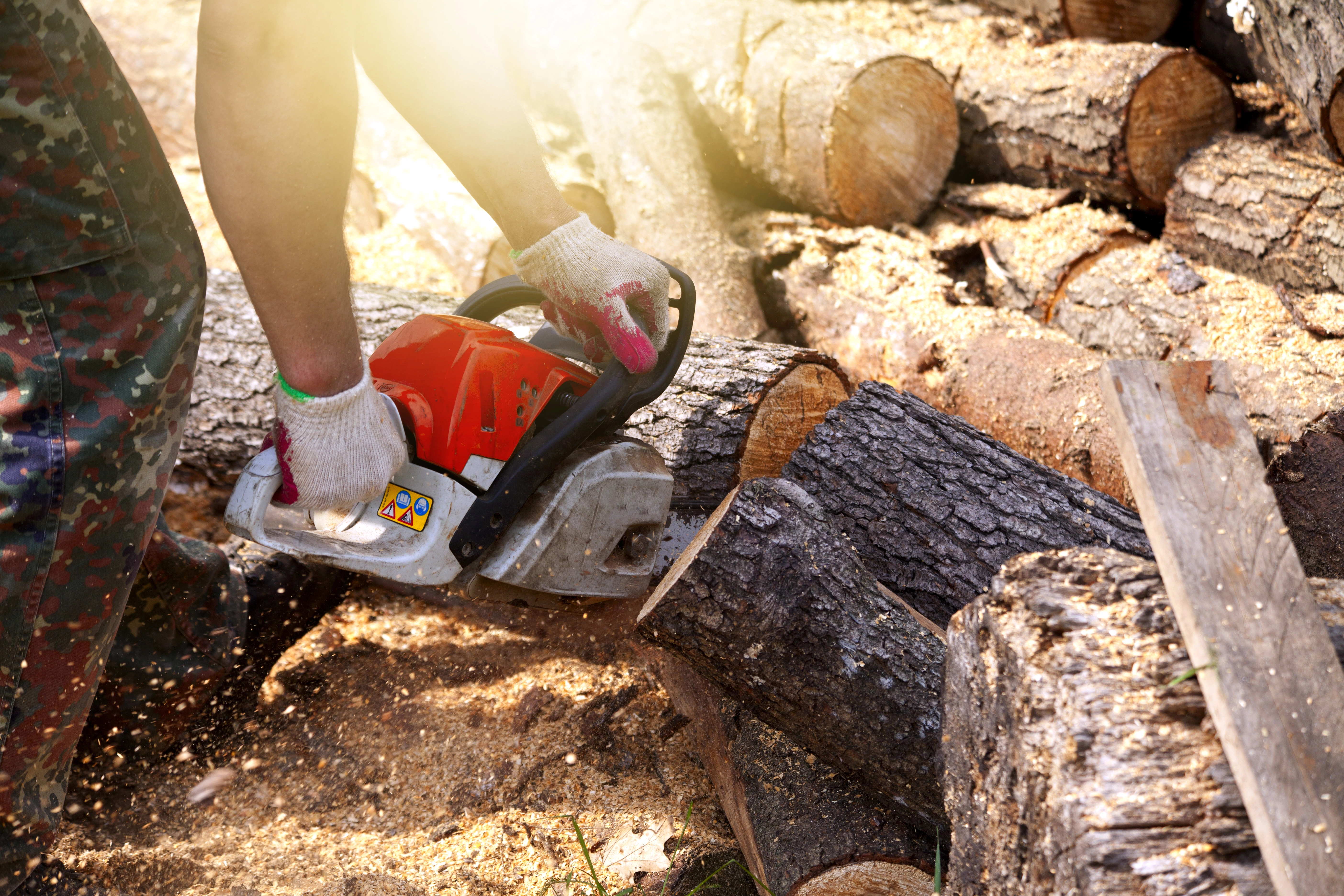
You are looking for:
- Dead limbs
- Branches hanging over your roof
- Limbs rubbing together
- Trees leaning more than they used to
- Heavy branches over driveways or power lines
Most storm damage we see starts with neglected trees.
Texas A&M Forest Service recommends proper pruning before storms and removing weak or broken limbs correctly to help trees survive high winds. They also point out that large limbs near structures should often be handled by professionals. (Source: Texas A&M Forest Service)
If you can safely trim smaller limbs from the ground, this is the time to do it.
Tree Prep Rentals That Make Sense
Instead of buying equipment you will use twice a year, rent what you need:
- Pole saws for smaller trimming jobs
- Chainsaws for ground-level limb cutting
- Chippers to handle brush piles
- Trailers to haul debris
- Skid steers to move heavy piles without wrecking your back
And let’s be clear. If it requires climbing a lift with a chainsaw, that is not a weekend DIY project. That is a call-a-pro situation.
Do You Have a Power Plan?
If you lose power in Texas, it is not just lights. It is your refrigerator, your garage door, your WiFi, sometimes your well pump.
The CDC clearly warns that generators should never be operated inside a home or garage due to carbon monoxide risk. They recommend running generators outdoors at least 20 feet from doors and windows. (Source: CDC)
Every storm season we have customers who say, “We should have rented one before the storm.”
If you think you need a generator, do not wait until the weather radar is red and angry.
At Rental Stop, we help customers match the right generator to what they actually need to power. You do not need to overdo it, but you do need enough capacity to handle essentials safely.
After the Storm Passes. Now What?
Once the wind dies down, slow down before you jump into cleanup mode.
First:
- Watch for downed power lines
- Check for hanging limbs
- Avoid standing water until you know it is safe
- Take photos for insurance
Then you can get to work.
And this is usually where people realize they do not have the right equipment.
The Most Common Post-Storm Problems We See
1. Tree limbs everywhere
This is the big one.
Rentals that help:
- Chainsaws
- Chippers
- Stump grinders if a tree came down completely
- Trailers for dump runs
- Skid steers for large debris piles
We have had customers spend three weekends trying to clean up storm debris with hand tools when one weekend with the right equipment would have handled it.
2. No power
Rentals that help:
- Portable generators
- Work lights – Flood light towers, towable light towers, and more
- Heavy duty extension cords rated properly
Again, keep generators outside and away from doors and windows. The CDC’s 20-foot rule is not optional.
3. Flooded garage or yard
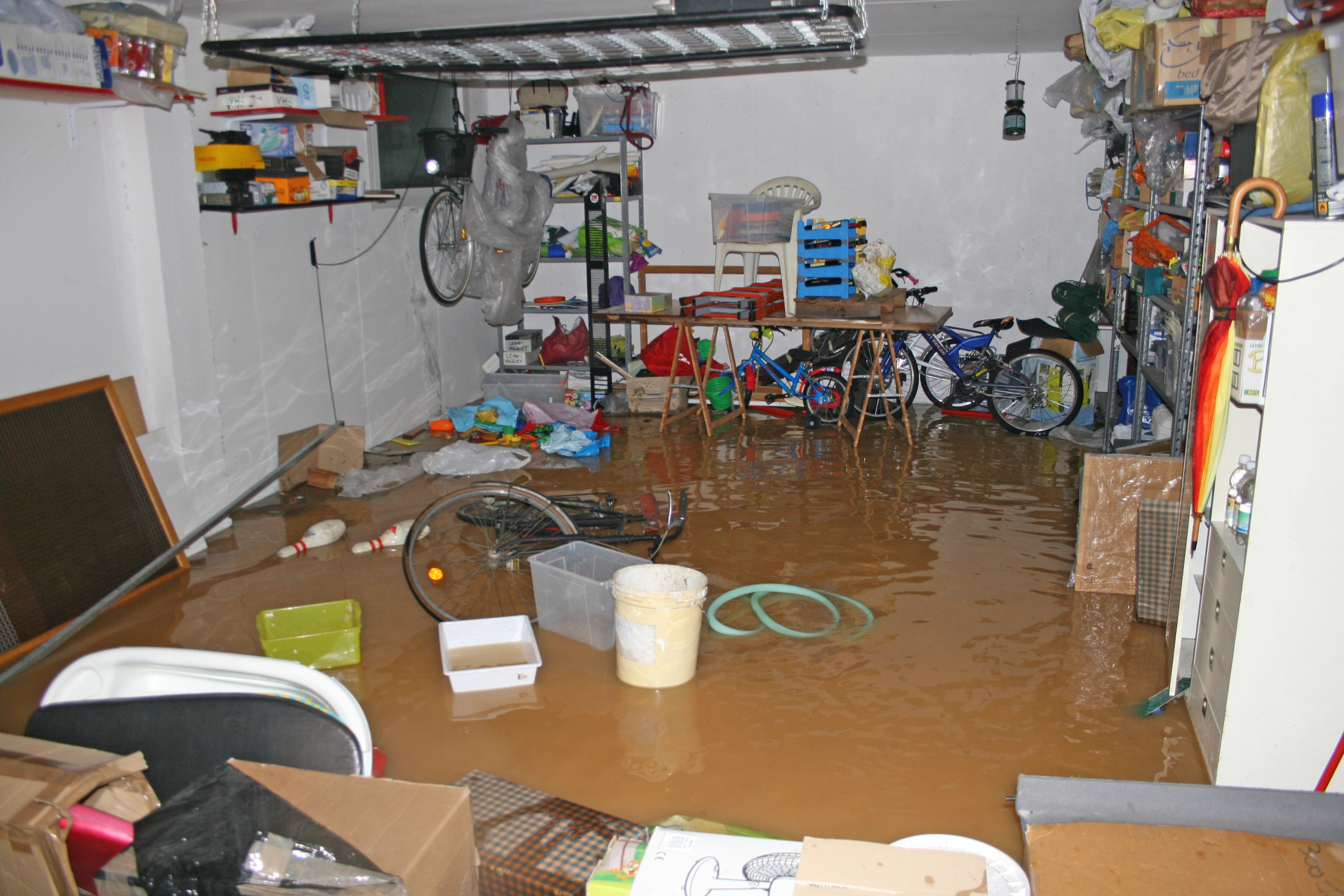
Flash flooding is common in Texas severe weather events. (Source: National Weather Service)
Rentals that help:
- Trash pumps for moving water
- Air movers and fans
- Dehumidifiers
The faster you dry things out, the less long-term damage you deal with later.
4. The cleanup just keeps going
Storm cleanup is exhausting. Renting equipment can turn a two-week ordeal into one long Saturday.
Pressure washers for mud.
Trailers for repeated dump trips.
Compact equipment for fencing or structural debris.
It is not about overdoing it. It is about working smarter.
Why Renting Makes More Sense in Texas
Storm equipment sits unused most of the year. Buying it does not always make sense.
Renting allows you to:
- Get professional-grade equipment
- Avoid storage headaches
- Handle the job faster
- Return it when you are done
And honestly, Texas weather does not give much warning. Being proactive matters.
Final Thought after 40 years of Serving our customers
Every year we see the same thing. People assume the big storm will miss them. Sometimes it does. Sometimes it doesn’t.
If you have not looked at your trees lately, now is the time.
If you are prone to lose power, rent a generator prior to the storm.
If you want to have a plan before the sky turns green, now is the time to build that plan.
Rental Stop is here to help you prepare before storm season and recover after it. Call ahead. Ask questions. Reserve early when severe weather is in the forecast.
Because in Texas, storm season is not a possibility. It is a guarantee.
 Blog for Rental Stop, Party Rental Store & Equipment Rental Store serving Dallas, Fort Worth, Grand Prairie & Arlington TX