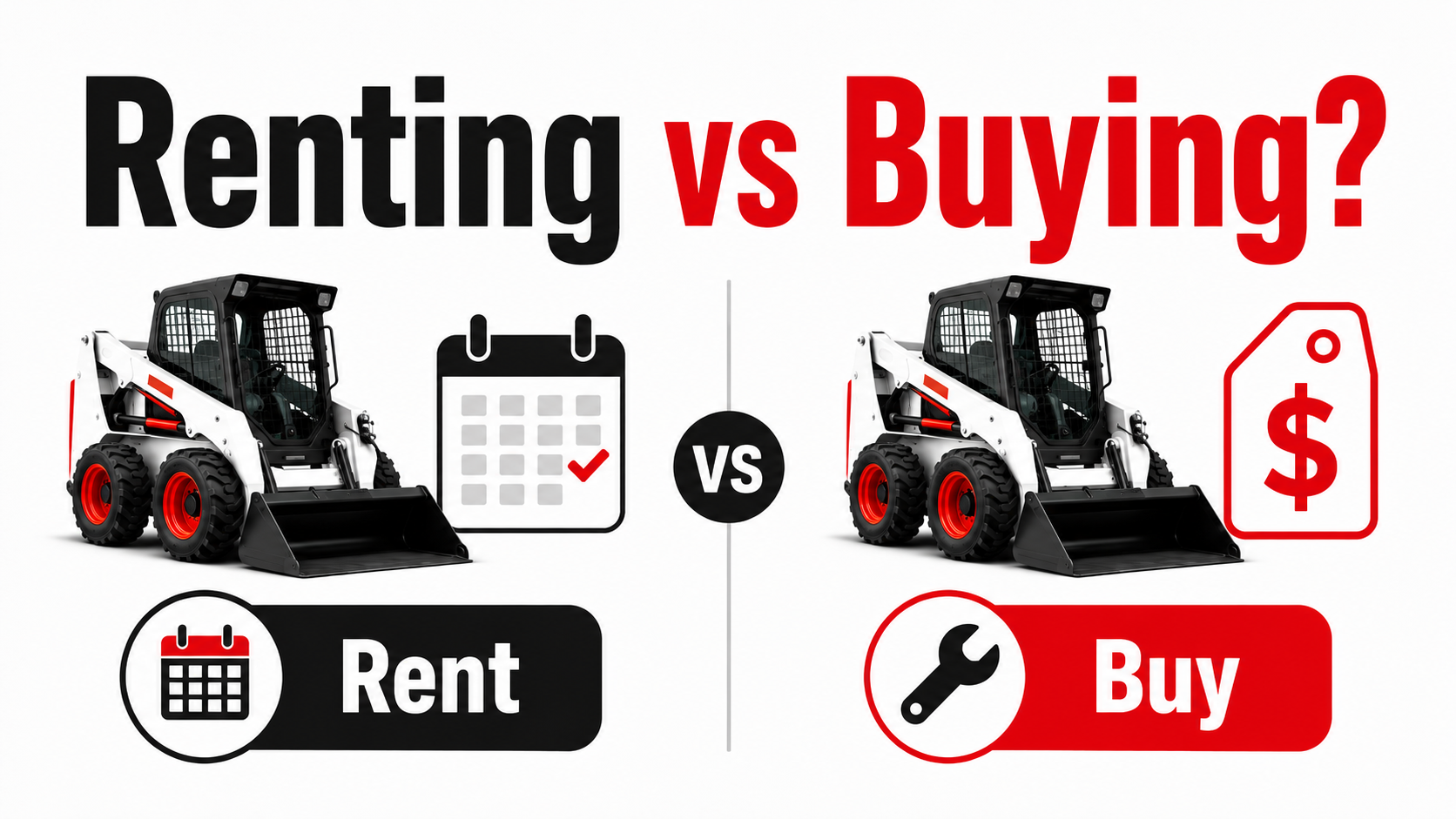
When you have a project to complete, one of the first decisions you may face is whether to rent the equipment or purchase it.
Maybe you are cleaning up after a storm, installing a fence, improving your landscaping, digging a trench, or finally starting that backyard project you have been putting off. Buying a machine may seem convenient, but it is not always the best use of your money.
For homeowners and contractors throughout the Dallas-Fort Worth area, the right answer usually depends on three things: how often you will use the equipment, how much it costs to maintain, and where you will store it.
At Rental Stop, we help customers find the right equipment for the job without spending money on machines they may only use once or twice.
When Renting Equipment Makes Sense
Renting is usually the best option when you need equipment for a one-time project, a weekend job, or something you only do occasionally.
Consider a homeowner who needs to dig a trench for drainage. Purchasing a trencher for one project would be a major investment. The homeowner would also have to transport it, maintain it, and find a place to store it after the project is finished.
Renting allows that homeowner to use the right machine, complete the job, and return the equipment when the work is done.
Equipment rentals are especially helpful for projects such as:
- Landscaping and yard improvements
- Fence installation and repair
- Storm and property cleanup
- Tree and brush removal
- Drainage projects
- Trenching and digging
- Concrete work
- Moving dirt, gravel, or debris
Renting also gives you access to professional-grade equipment that can help you complete the project faster and more efficiently than using smaller tools.
The Real Cost of Buying Equipment
The purchase price is only one part of owning equipment.
After buying a machine, you may also be responsible for oil changes, filters, replacement parts, blade sharpening, tire repairs, batteries, belts, fuel system maintenance, and other repairs.
Equipment can also lose value over time, even when it is not being used.
Before purchasing equipment, ask yourself:
- How many times will I realistically use this?
- Do I have a safe place to store it?
- Can I transport it?
- Am I prepared to maintain and repair it?
- Will I still need this equipment several years from now?
A piece of equipment that looks like a good investment can quickly become an expensive item taking up space in a garage, shed, warehouse, or backyard.
Equipment That Is Often Better to Rent
Large or specialized equipment is usually a good candidate for renting because it can be expensive to purchase and maintain.
Commonly rented items include:
- Skid steers
- Mini excavators
- Trenchers
- Stump grinders
- Wood chippers
- Trailers
- Log splitters
- Concrete equipment
- Chainsaws
- Generators
- Aerators
- Tillers
- Sod cutters
These machines can make difficult projects much easier, but most homeowners do not need them often enough to justify buying them.
Even contractors frequently rent specialty equipment. A contractor may own the tools used every day but rent a larger machine for a specific project. This allows the contractor to take on more types of work without purchasing and maintaining every piece of equipment that might be needed.
When Buying Equipment May Be the Better Choice
Buying can make sense when you use a tool regularly.
For example, a landscaping company may benefit from owning lawn equipment that is used several times each week. A contractor may choose to own smaller tools that are needed on nearly every job.
Buying may be the right decision when:
- You use the equipment several times each month
- The equipment is essential to your daily work
- You have room to store it safely
- You can transport it when needed
- You are prepared to handle maintenance and repairs
Even in these situations, renting can still be helpful for larger machines, specialty attachments, temporary increases in workload, or equipment that is only needed for certain jobs.
Renting Helps Solve the Storage Problem
Storage is easy to overlook when comparing renting and buying.
Large equipment requires more than an open corner in the garage. It needs to be stored somewhere secure and protected from weather, moisture, theft, and accidental damage.
Outdoor storage can lead to rust, battery problems, damaged hoses, tire deterioration, and other issues. It can also take up valuable space on your property.
When you rent, the equipment only takes up space while you are using it. Once the project is complete, you return it and reclaim your garage, driveway, or jobsite.
The Right Equipment Can Save You Time
One of the biggest benefits of renting is being able to choose equipment specifically designed for the job you are completing.
Trying to complete a large project with equipment that is too small can turn a one-day job into an entire weekend. It can also create unnecessary physical strain and frustration.
The right rental can help you:
- Complete the project faster
- Reduce physical labor
- Handle heavier materials
- Reach difficult areas
- Avoid unnecessary trips
- Produce better results
Instead of changing your project to match the tools you own, renting allows you to select the equipment that matches your project.
Do Not Forget About Transportation and Accessories
Before renting larger equipment, consider how you will transport it.
Some machines may require a trailer or another hauling solution. You may also need accessories such as extension cords, generators, blades, bits, attachments, fuel cans, safety equipment, or loading equipment.
Talking through the entire project with a Rental Stop team member can help you avoid getting home or arriving at the jobsite without something important.
Explain what you are trying to accomplish, where the equipment will be used, and what type of material you are working with. The more information you provide, the easier it is to recommend the right equipment and accessories.
Should You Rent or Buy?
For most DIY projects and occasional jobs, renting is the smarter choice. It gives you access to professional equipment without the long-term expense and responsibility of ownership.
For contractors and frequent users, buying smaller tools used every day may make sense. Renting larger or specialized equipment can still help control costs and expand the types of projects you can complete.
The best choice is the one that keeps your project moving while protecting your budget.
Get the Right Equipment for Your Next Project
Rental Stop has helped homeowners, contractors, event professionals, and businesses throughout DFW for more than 40 years.
Whether you need a skid steer, trencher, dump trailer, stump grinder, generator, or another piece of equipment, our team can help you choose the right rental for the job.
Contact Rental Stop or visit one of our Grand Prairie or Arlington locations to learn more about equipment availability and rental options.
Let us help you spend less time worrying about equipment and more time getting the job done.

