
Wow! This summer has been HOT and by the end of a North Texas summer, most yards are looking a little tired. You may have thin spots, compacted soil, built-up thatch, or areas that just aren’t absorbing water the way they should.
Fall gives you a chance to take care of those problems once the worst of the summer heat has passed. The right work now can clean up your lawn, improve the soil, and help prepare your yard for the months ahead.
You also don’t need to buy several expensive machines that will spend the rest of the year taking up space in your garage. Rental Stop has the aerators, dethatchers, overseeders, tillers, and blowers you need to get the job done—and you can return them when the work is finished.
Start by Taking a Good Look at Your Lawn
Before renting anything, walk your yard and figure out what is actually going on.
Does the ground feel hard? Does water run across the surface instead of soaking in? That may point to compacted soil.
Does the lawn feel soft or spongy under your feet? Can you see a thick layer of dead grass between the green blades and the soil? You may have too much thatch.
Are there thin areas you want to fill in, or are you planning to add a cool-season grass for winter color? An overseeder may be useful.
Knowing what problem you’re trying to solve will help you choose the right equipment. If you aren’t sure, tell our team what you’re seeing. We’ll help you narrow it down.
Open Compacted Soil With a Lawn Aerator
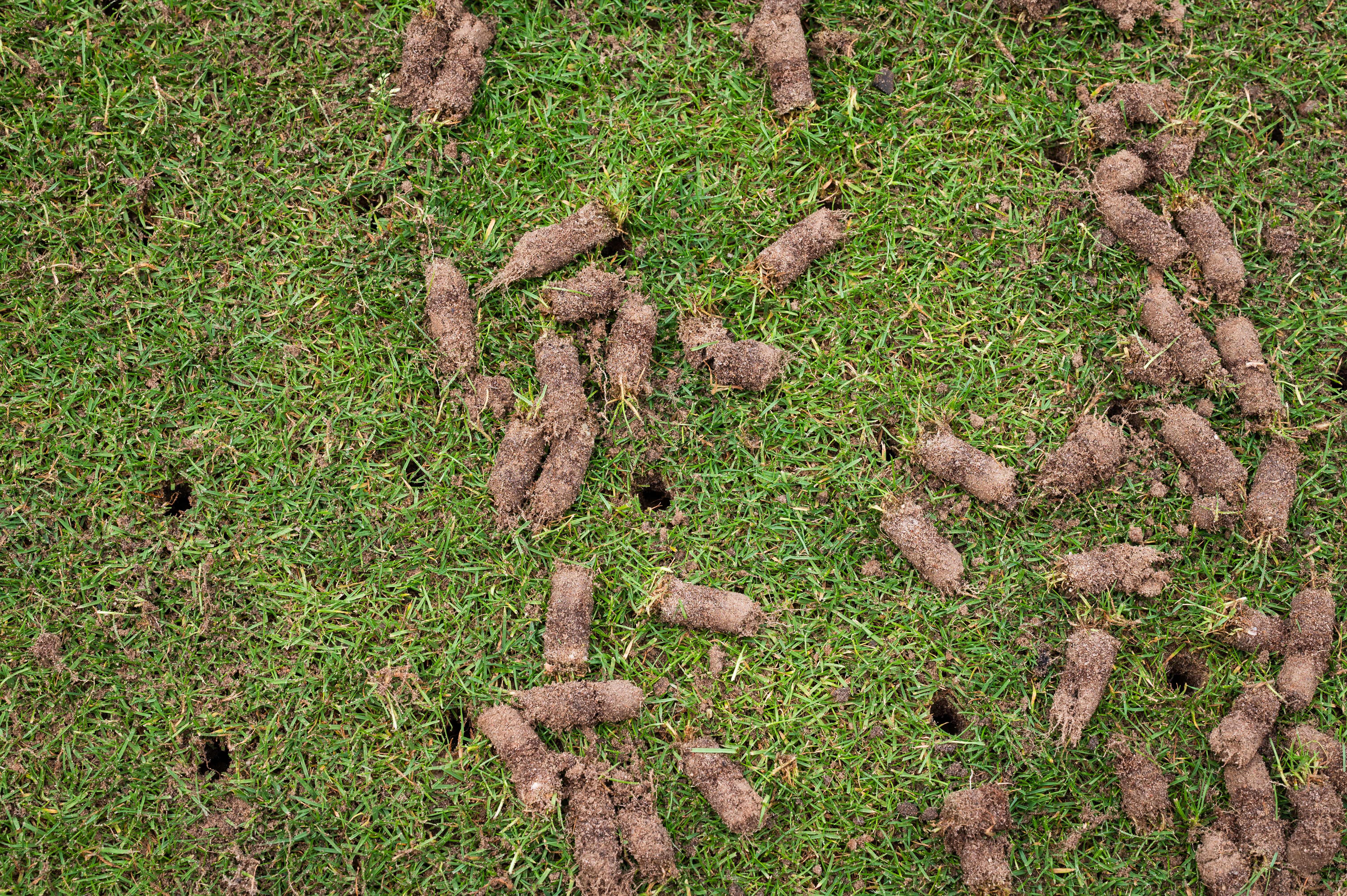
Soil becomes compacted from foot traffic, mowing, pets, hot weather, and regular use. When the ground gets too hard, air, water, and nutrients have a difficult time reaching the roots.
Our lawn aerator pulls small plugs from the ground, creating openings that allow water and nutrients to move into the soil more easily.
For better results, water the lawn the day before you aerate. You want the ground to be moist enough for the tines to penetrate, but not muddy. It’s also important to mark sprinkler heads, shallow irrigation lines, landscape lighting, and anything else hidden in the yard before you begin.
This is a substantial machine, weighing approximately 288 pounds, so plan ahead for transportation and have help available for loading and unloading.
Remove Built-Up Thatch
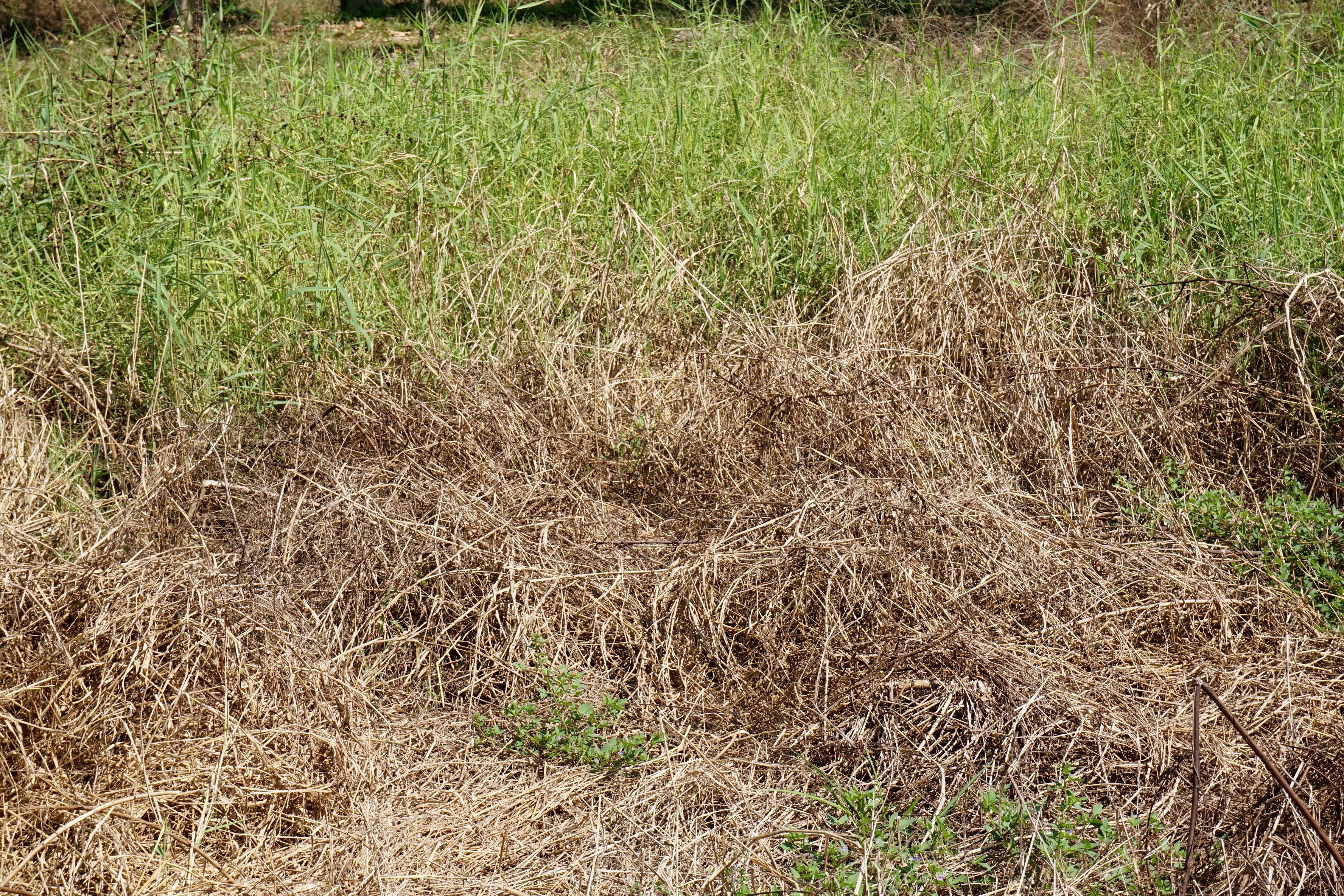
A little thatch is normal. When the layer becomes too thick, however, it can keep water and fertilizer from reaching the soil.
The lawn dethatcher uses rotating blades to loosen the dead grass and other material sitting between the healthy grass and the ground. The debris is brought to the surface so it can be raked or blown away.
Our dethatcher has several depth settings, allowing you to adjust how aggressively it works. Start conservatively. Cutting too deeply can damage healthy turf, especially if the lawn is already stressed.
Not every lawn needs dethatching every year. Check the thickness of the thatch layer first so you aren’t doing work your lawn doesn’t need.
Thicken Thin Areas With an Overseeder
Spreading seed by hand may work for a small bare spot, but it can be difficult to get consistent coverage across an entire yard.
The lawn overseeder cuts into the surface while placing seed closer to the soil. That improved seed-to-soil contact can give you better, more even coverage than simply broadcasting seed over the top of the lawn.
Before overseeding, make sure the grass variety is appropriate for your existing lawn, the season, and what you want to accomplish. Many North Texas lawns contain warm-season grasses, while cool-season seed may be used for temporary winter color. Timing and watering requirements will depend on the seed you choose.
The overseeder weighs about 150 pounds, so this is another machine that requires some planning for pickup and handling.
Preparing a New Bed? Choose the Right Tiller
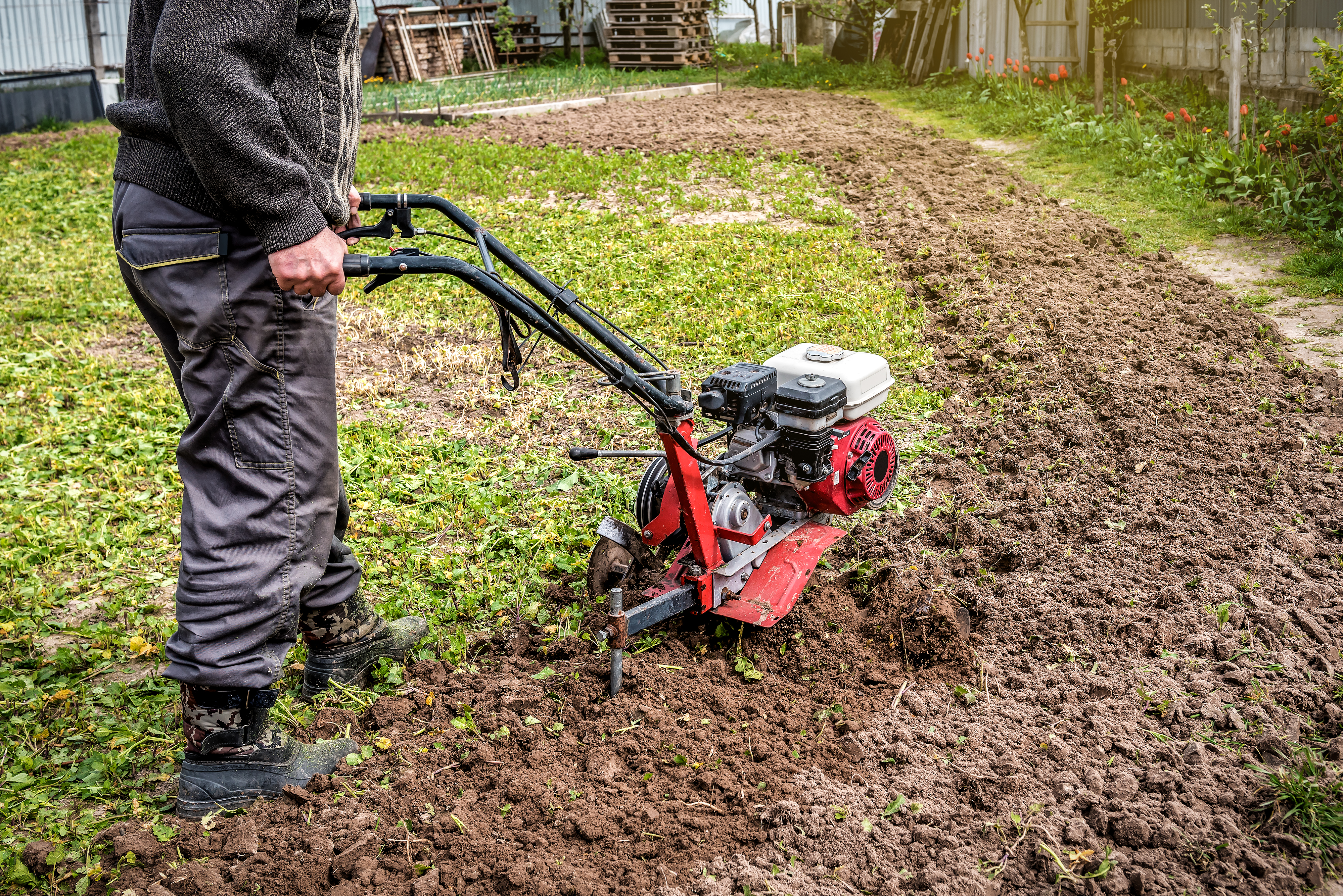
Fall is also a good time to prepare a new flower bed, expand a garden, or work amendments into existing soil.
The right tiller depends on the size of the area and how hard the soil is.
- The 2 HP front-tine tiller is a lighter option for smaller spaces and soil that has already been worked.
- The 5 HP front-tine tiller provides more power for larger garden areas and more demanding soil.
- The Honda rear-tine tiller is the heavy-duty choice for hard ground, North Texas clay, larger areas, or soil that has never been tilled.
It’s tempting to choose the largest machine, but bigger isn’t always better. A smaller tiller is easier to maneuver in a tight flower bed, while a rear-tine machine can save a lot of effort on a large, difficult area.
Don’t Forget the Cleanup
Aerating, dethatching, trimming, and preparing beds can leave quite a bit of material behind. Having the right blower can save you from spending the rest of the afternoon raking.
Our backpack blower is a good choice for most residential yards. It allows you to move easily around landscaping, fences, patios, and other obstacles.
For a larger property or a heavier volume of leaves and debris, the push leaf blower provides more blowing power in a walk-behind design.
Both options can help clear the thatch loosened during lawn work, and you can use them again when the fall leaves begin to pile up.
A Simple Order for Your Fall Lawn Work
If you’re planning a full lawn cleanup, this is a good general order to follow:
- Mow the lawn and inspect it for compacted areas, thatch, and thin spots.
- Mark sprinkler heads, irrigation lines, landscape lighting, and other obstacles.
- Dethatch if the lawn has an excessive layer of thatch.
- Remove the loosened material with a rake or blower.
- Aerate areas with compacted soil.
- Overseed if it is appropriate for your type of grass and your lawn goals.
- Water according to the needs of your existing grass and any new seed.
Every yard is different, so you may not need every step—or every machine—on this list.
Let’s Get Your Fall Lawn Project Started
Visit Rental Stop at either of our DFW locations. Both locations are open Monday through Saturday from 7 a.m. to 6 p.m. or call us at 817-336-0059
You can also browse our complete selection of lawn and garden equipment online before you visit.
Fall doesn’t last long in North Texas. Take advantage of the cooler weather, rent the equipment you need, and give your yard a little attention before winter arrives.

